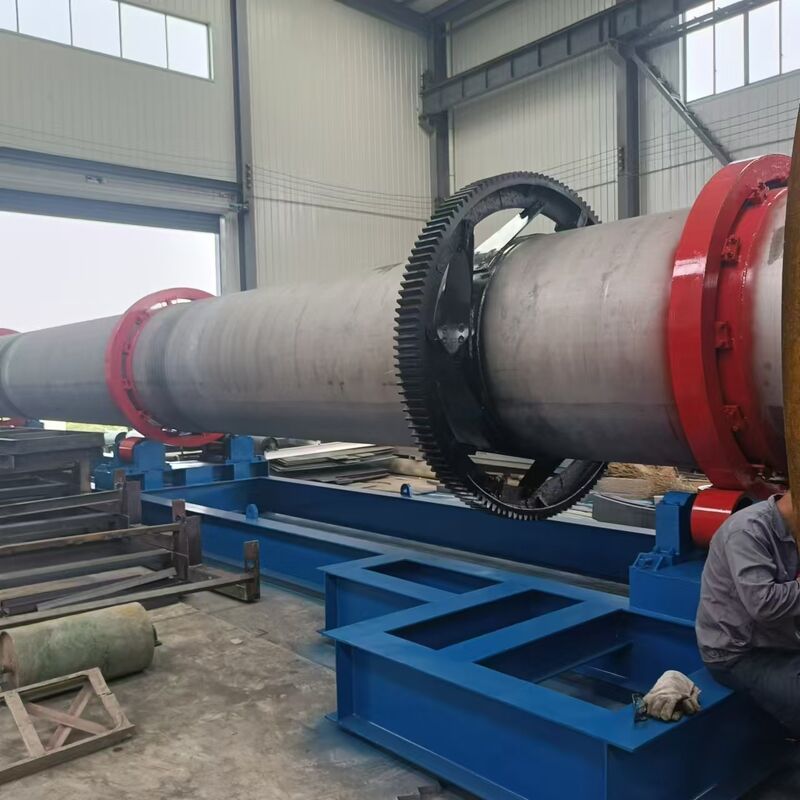
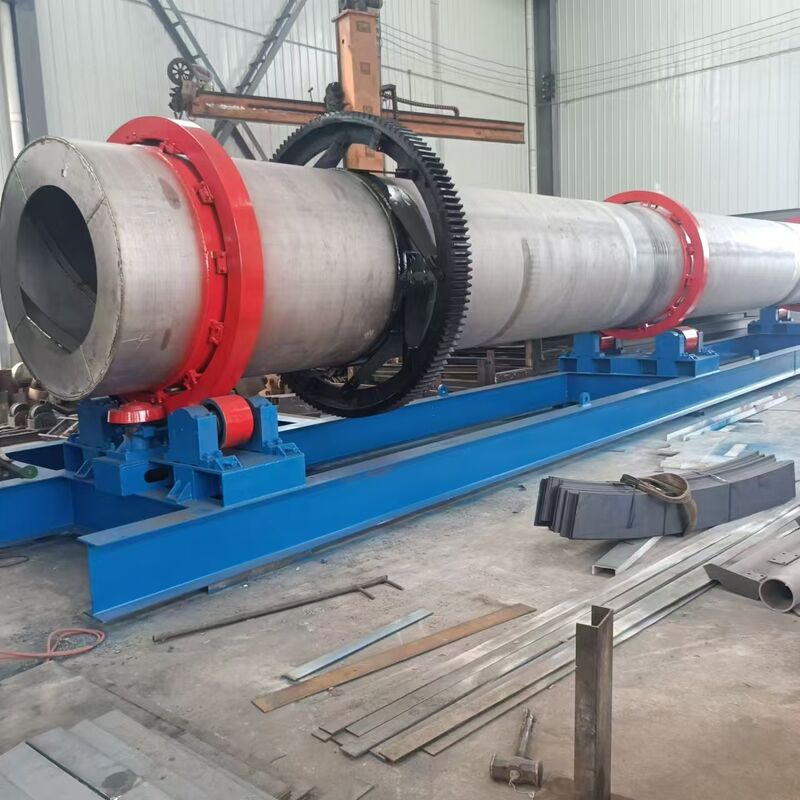
Perlite is a glassy volcanic rock with a pearl-like luster. It usually exhibits numerous concentric cracks that cause it to resemble an onion skin. A typical perlite sample is composed of 71 to 75 percent silicon dioxide, 12.5 to 18.0 percent alumina, 4 to 5 percent potassium oxide, 1 to 4 percent sodium and calcium oxides, and trace amounts of metal oxides.

Perlite is used by industry in many different ways. Construction-related uses (acoustical ceiling tile, pipe insulation, roof insulation board, etc.), which are the major market for expanded materials. Perlite is a powerful tool for insulation, gardening, and more. It is lightweight, sterile, and white. It looks and feels a little like polystyrene. However, it is made from expanded volcanic glass and heated to 1000 degrees Celsius. These, when heated, pop like popcorn and expand many times to their original size.
Perlites are extremely porous. This makes it easier for them to absorb moisture and improve drainage. They are quite useful in plant distribution, including cuttings and sowing seeds.
1. Mining and Extraction:
The first stage of perlite processing begins with mining. Perlite deposits are typically found in volcanic regions, where the natural formation of the glass-like material occurred over millions of years. Large perlite mines are located in countries such as Turkey, Greece, the United States, and China.
Perlite mining is usually done through open-pit mining, where heavy machinery is used to excavate the perlite ore. The raw material is then transported to processing plants for further treatment.
2. Crushing and Screening:
Once the raw perlite ore is mined, it undergoes a series of crushing and screening processes. The ore is crushed to reduce its size into smaller, manageable particles. This crushed perlite is then screened to separate it into different grades, depending on the particle size. The grading process is important as it ensures that the perlite meets specific size requirements for different applications, such as horticulture, construction, or filtration.
At this stage, impurities like dirt, rocks, and other non-perlite materials are removed to ensure that only clean perlite is processed further.
3. Preheating and Expansion:
The most critical step in processing perlite is the expansion process. After the perlite has been crushed and screened, it is transferred to furnaces for preheating. The preheating phase typically heats the perlite ore to temperatures around 350°C to 500°C, which prepares it for the next stage.
Once preheated, the perlite ore is subjected to extremely high temperatures, usually between 850°C and 1,100°C. At these temperatures, the water molecules trapped within the perlite ore vaporize, causing the perlite to expand, much like popcorn popping. This rapid expansion can increase the volume of the perlite by up to 20 times its original size.
The expanded perlite now has a porous, lightweight structure, making it ideal for use in applications that require insulation, soil aeration, or filtration. Expanded perlite is also white in color, which distinguishes it from its raw, darker state.
4. Cooling and Final Processing:
After the expansion process, the perlite needs to be cooled down. The expanded perlite is transported via conveyors or pipes to cooling areas, where it is allowed to settle and stabilize.
Once cooled, the perlite can be further processed depending on its intended use. For example:
- Horticultural perlite may be mixed with other soil amendments.
- Construction-grade perlite might be bagged for use as an insulating material.
- Filtration perlite could be further refined and packaged for industrial filtration systems.
5. Packaging and Distribution:
The final stage in perlite processing is packaging and distribution. Depending on the grade and intended application, perlite is packaged in various sizes. It can be stored in large bulk bags, smaller bags for retail purposes, or directly shipped in containers for industrial use.


 Your message must be between 20-3,000 characters!