Introduction to Vermiculite Processing
Vermiculite is a hydrous phyllosilicate mineral that undergoes significant expansion when heated, making it valuable for numerous industrial applications including construction, horticulture, and insulation. The processing of vermiculite ore involves multiple stages to transform raw mineral into commercially viable products with specific particle size distributions and expansion properties. This comprehensive guide explores the complete processing chain from extraction to final product preparation.
Raw Material Preparation and Crushing
The initial stage of vermiculite processing begins with raw ore preparation. Mined vermiculite typically contains various impurities and requires careful handling to preserve its laminar structure. The primary crushing phase reduces large ore pieces to manageable sizes, typically below 50mm, using jaw crushers or gyratory crushers. This step is crucial for downstream processing efficiency and uniform feed material characteristics.
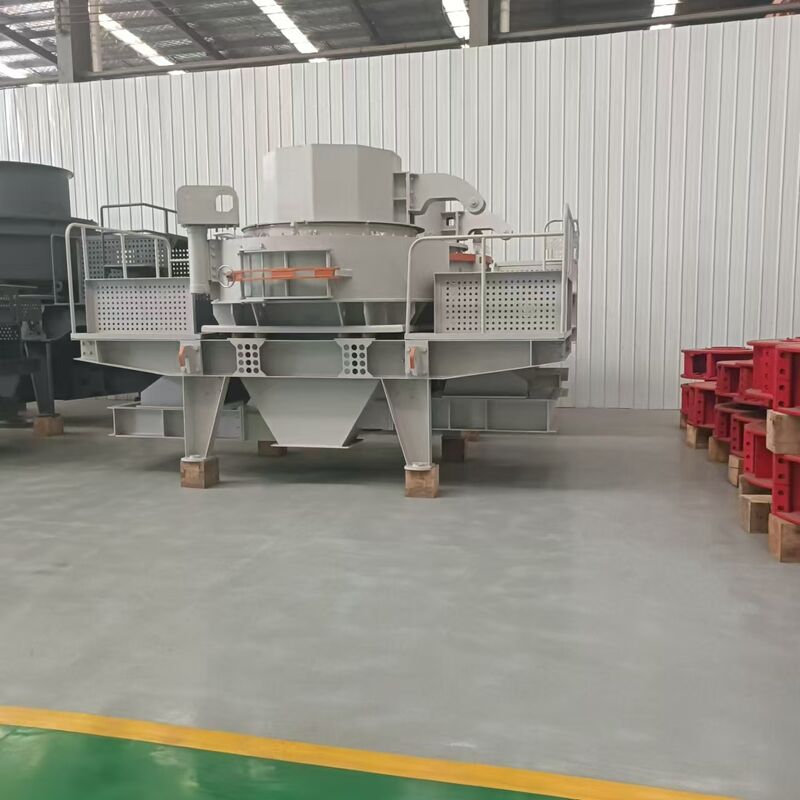
Secondary crushing further reduces particle size to meet the input specifications of grinding equipment. Hammer mills are particularly effective at this stage, capable of producing consistent 0-3mm output ideal for subsequent milling operations. The selection of appropriate crushing equipment depends on ore hardness, moisture content, and the desired production capacity.
Grinding and Particle Size Reduction
Fine grinding represents the most critical phase in vermiculite processing, as particle size directly influences expansion characteristics and final product quality. Vermiculite’s unique laminar structure requires specialized grinding equipment that can delaminate the mineral without excessive comminution that would reduce expansion potential.
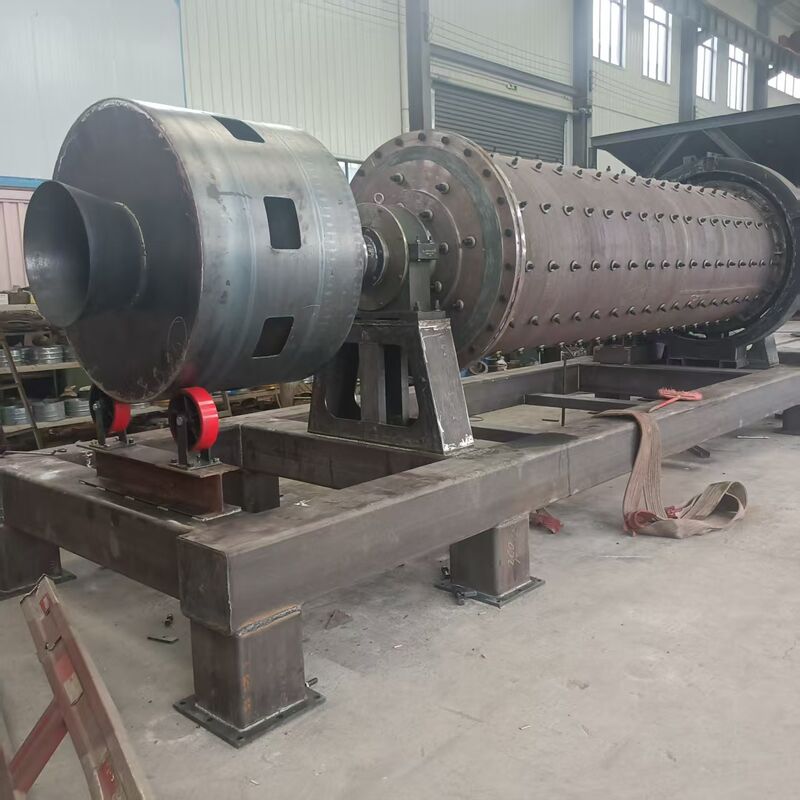
For medium-fine grinding requirements (30-325 mesh/600-45μm), the grinding Mill offers exceptional performance in vermiculite processing. With input sizes up to 50mm and processing capacities ranging from 3-45 tons per hour depending on model selection, this equipment provides the flexibility needed for various production scales.
For ultra-fine applications requiring particle sizes between 325-2500 mesh (45-5μm), the Ultrafine Mill delivers precision grinding capabilities essential for high-value vermiculite products. With its vertical turbine classifier ensuring accurate particle size distribution and specialized roller and ring design extending component life, achieves D97≤5μm fineness while maintaining energy efficiency 30% better than conventional jet mills. The intelligent control system automatically adjusts operational parameters based on real-time feedback of product fineness, ensuring consistent quality throughout production runs.
Classification and Separation
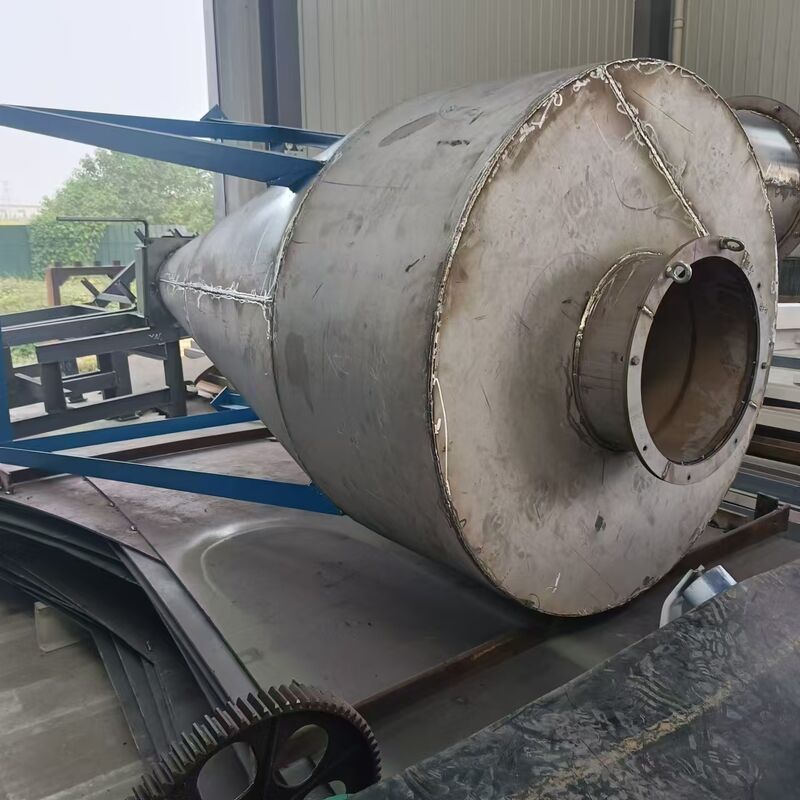
Following grinding, classification separates vermiculite particles according to size specifications. Air classifiers are commonly employed, utilizing centrifugal forces and airflow to segregate particles based on size and density. Modern classification systems incorporate multiple stages to achieve precise cuts and maximize yield of target fractions.
Vermiculite’s low density compared to associated minerals enables effective separation through air classification. Advanced systems integrate classification directly with grinding circuits, allowing continuous operation and immediate removal of product-sized particles to prevent overgrinding. This approach maintains the delicate laminar structure essential for optimal exfoliation performance.
Expansion and Exfoliation
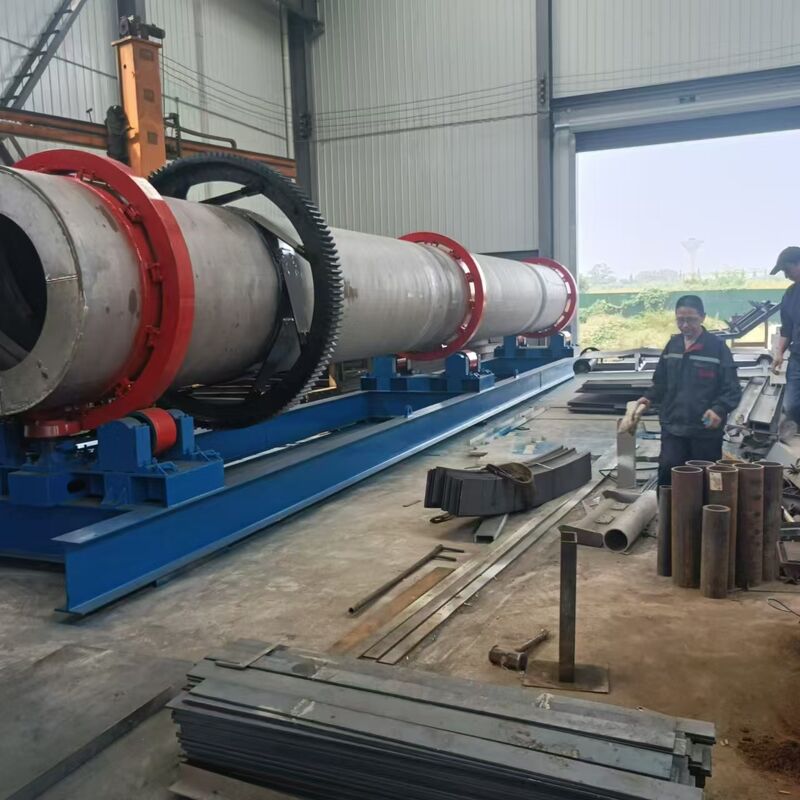
The defining characteristic of vermiculite processing is the expansion stage, where properly sized particles are subjected to rapid heating. Commercial exfoliators typically operate at temperatures between 800-1100°C, causing the interlayer water to flash into steam and expand the particles perpendicular to the cleavage planes. This process can increase particle volume by 8-30 times depending on ore quality and processing parameters.
Modern vertical furnaces provide uniform heat distribution and precise temperature control, ensuring consistent expansion across all particle sizes. The exfoliation process must be carefully controlled to achieve the desired expansion ratio without causing particle fragmentation or incomplete expansion.
Product Applications and Quality Control
Processed vermiculite finds applications across multiple industries, each with specific quality requirements. In construction, exfoliated vermiculite serves as lightweight aggregate, fire protection material, and acoustic insulation. Horticultural applications utilize vermiculite’s water retention and aeration properties in soil amendments and growing media. Industrial applications include use as filler, absorbent, and support medium in various processes.
Quality control throughout the processing chain ensures final products meet industry specifications. Key parameters include particle size distribution, expansion ratio, bulk density, pH, and chemical composition. Advanced processing facilities implement automated monitoring systems to maintain consistent product quality and quickly identify deviations from specifications.
Environmental Considerations and Best Practices
Modern vermiculite processing incorporates comprehensive environmental management systems to minimize operational impacts. Dust collection systems, particularly pulse-jet baghouses, capture particulate matter throughout crushing, grinding, and classification stages. Water management practices address potential runoff from mining and processing areas.
Energy efficiency represents another critical consideration, with optimized processing circuits reducing overall energy consumption per ton of final product. The integration of high-efficiency classifiers and precisely controlled expansion furnaces significantly improves the sustainability profile of vermiculite processing operations.


 Your message must be between 20-3,000 characters!