Place of Origin:
China
Brand Name:
hengyang
Certification:
ISO9001
Model Number:
cement
Document:
The sludge drying process is a thermal treatment that removes water from wastewater sludge via evaporation. Applying heat reduces moisture content from a typical 75-85% to just 5-15%, achieving a 75-90% volume reduction. This transforms heavy, wet waste into a dry, stable, and, if required, pathogen-free product.
Industrial and municipal facilities generate millions of tons of sludge annually, creating a significant disposal challenge. The primary problem is cost: wet sludge is mostly water, making it heavy, difficult to handle, and expensive to transport.
It’s crucial to distinguish drying from mechanical dewatering. While dewatering uses physical pressure to reach 25-35% dry solids, thermal drying uses heat to evaporate moisture, achieving 90-95% dry solids. It is not uncommon to have both mechanical dewatering followed by a heat-applied dryer to minimize moisture and energy costs.
This dramatic volume reduction directly lowers hauling and landfill fees. More importantly, it turns a disposal problem into a resource recovery opportunity. Dried sludge can be converted into valuable products like Class A biosolids for agriculture, fuel for energy recovery, or feedstock for cement kilns.
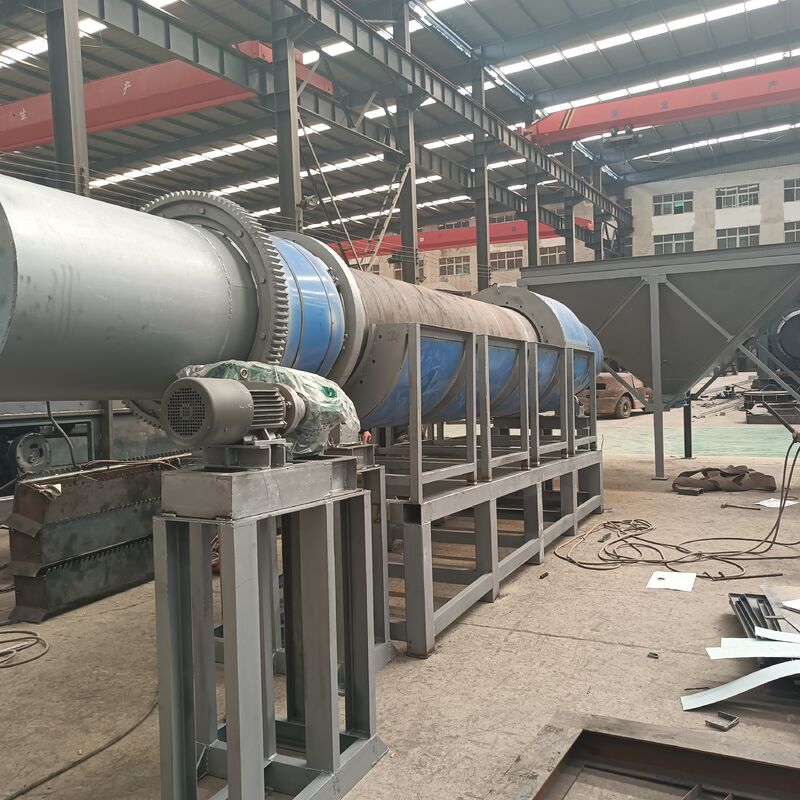
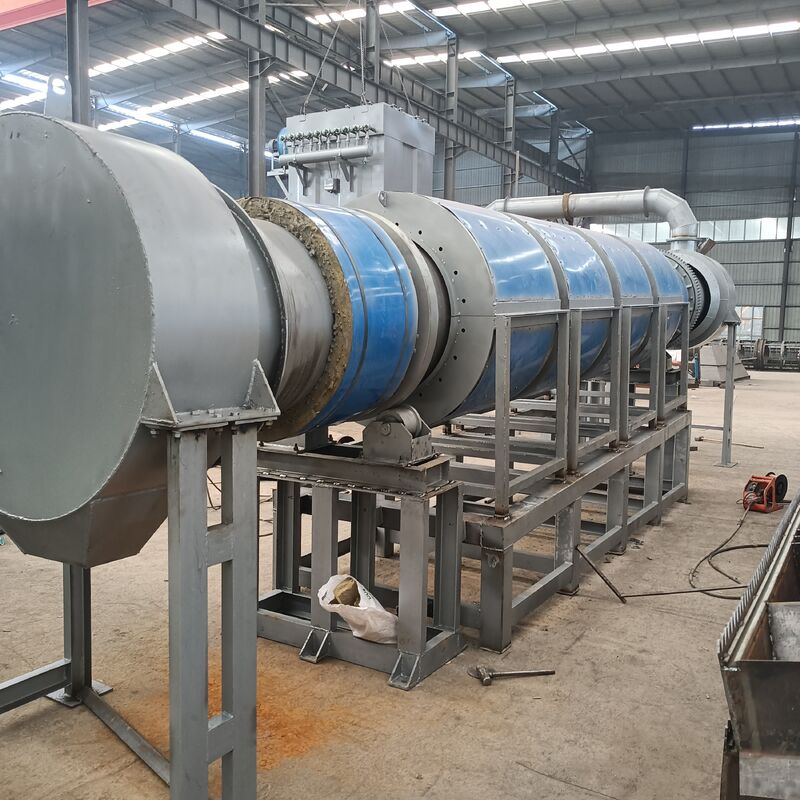
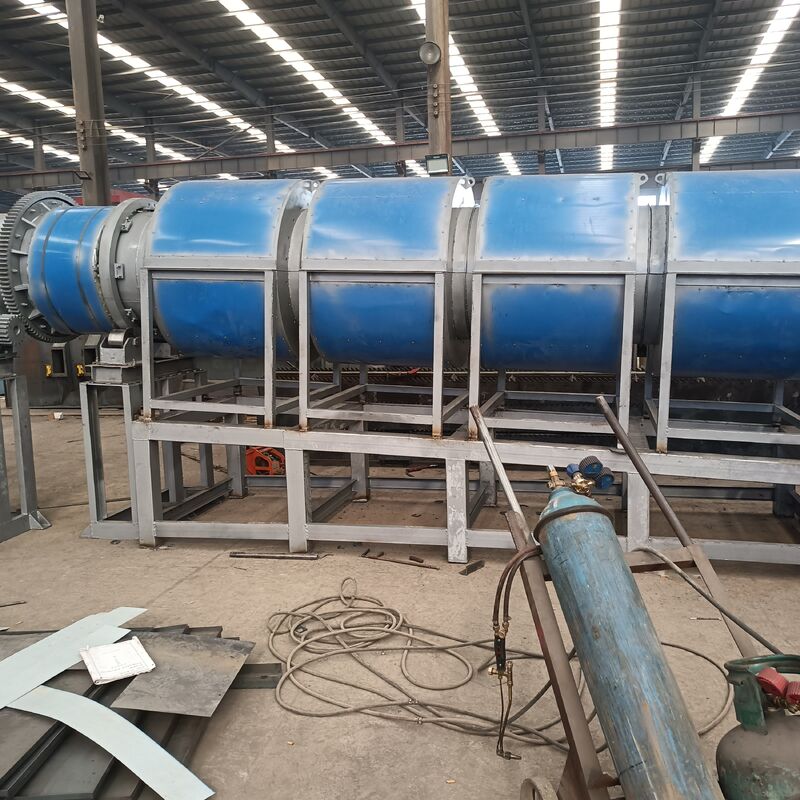
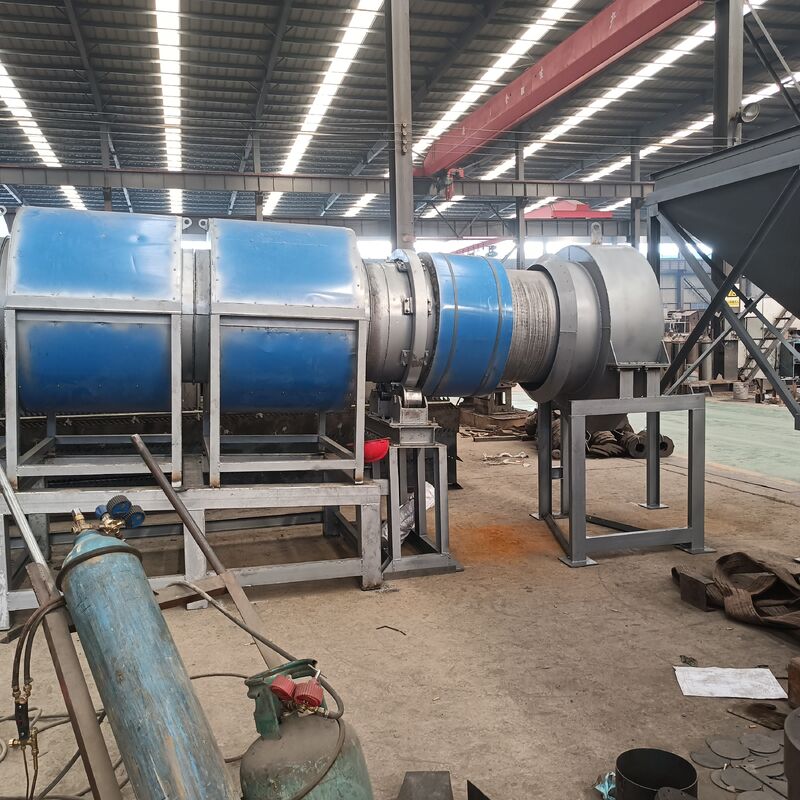
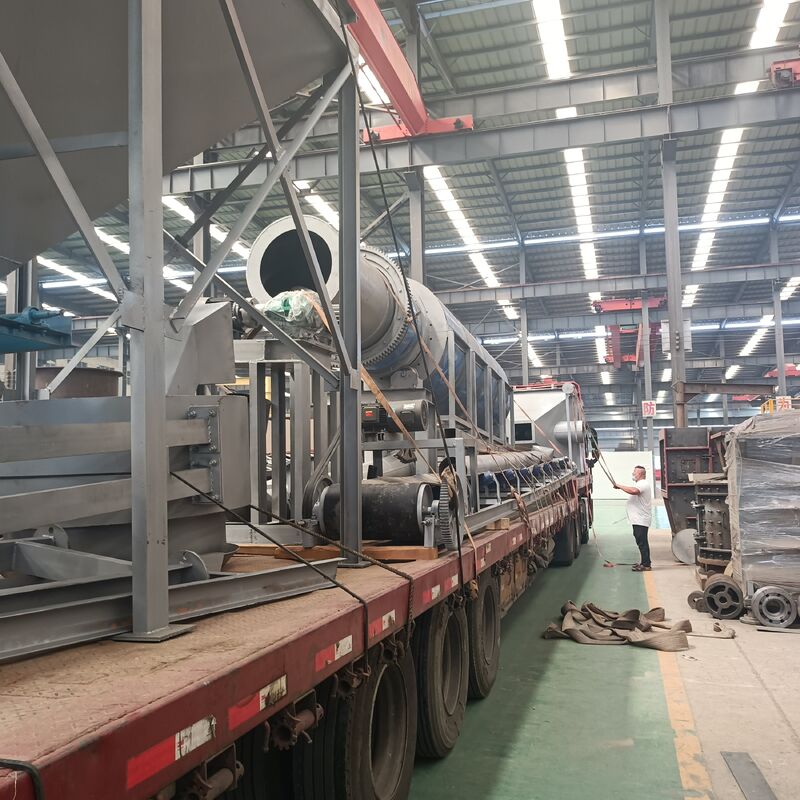
Technical performance of rotary kiln gypsum drying machine for sale:
|
Size(m) |
Capacity(t/d) |
Inclination(%) |
Supports(pc) |
Damper Type |
Kiln Rotation Speed |
Main Drive |
Auxiliary Drive |
|||
|
Main Drive(r/m) |
Auxiliary Drive(r/m) |
Motor Power(KW) |
Reducer (Overall Ratio) |
Motor Power (KW) |
Reducer (Overall Ratio) |
|||||
|
φ2.8/2.5×44 |
300 |
3.5 |
3 |
Mechanical |
0.445-2.22 |
4.75 |
55 |
49-63 |
4 |
40.44 |
|
φ3×48 |
600-700 |
3.5 |
3 |
Mechanical/ Hydraulic |
0.676-3.38 |
9.36 |
100 |
50 |
7.5 |
14 |
|
φ3.2×50 |
1000 |
3.5 |
3 |
Hydraulic |
0.36-3.57 |
6.5 |
160 |
40 |
15 |
31.5 |
|
φ3.3×50 |
1200 |
4 |
3 |
Hydraulic |
0.36-3.57 |
5.61 |
160 |
40 |
11 |
31.5 |
|
φ3.5×54 |
1500-1800 |
4 |
3 |
Hydraulic |
0.39-3.9 |
7.66 |
220 |
28 |
18.5 |
45 |
|
φ4×60 |
2500 |
4 |
3 |
Hydraulic |
0.41-4.07 |
8.2 |
315 |
22.4 |
22 |
45 |
|
φ4.3×64 |
3500 |
4 |
3 |
Hydraulic |
0.4-4.0 |
7.93 |
400 |
31.5 |
30 |
45 |
|
φ4.8×74 |
5000 |
4 |
3 |
Hydraulic |
0.35-4 |
8.52 |
630 |
42.226 |
55 |
28 |
|
φ5.0×74 |
6000 |
4 |
3 |
Hydraulic |
0.35-4 |
7.58 |
710 |
28 |
55 |
45 |
|
φ5.6×87 |
8000 |
4 |
3 |
Hydraulic |
Max4.23 |
8.7 |
800 |
23.901 |
90 |
35.795 |
|
φ6.0×95 |
10000 |
4 |
3 |
Hydraulic |
Max5 |
9.2 |
950×2 |
26.646 |
132 |
35.795 |
Not all sludge is the same, and its properties dictate the best drying technology and energy requirements.
Send your inquiry directly to us